Color Theory Definition
What is Color Theory?
Color Theory is the study of how colors work together and how they effect our Emotions and Perceptions. Colors have a deep meaning to many cultures. Not understanding how colors are viewed by different countries could have a negative effect on how you want your information, products, ect. to be percevied. Color Theory is like a toolbox for artists, designers, and creators to help them choose the right colors for their projects. Enables you to pick colors that go well together and convey the right mood or message in your work.
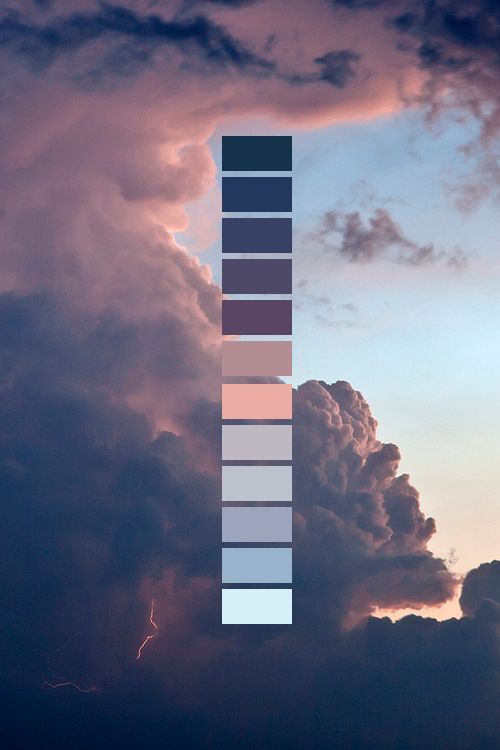
Hue
Is another name for color. For example: An apple color or hue maybe red. The two words can be used interchangeable.
Chroma/Chromatic
Is the purity of a color. A color with high chroma has no neutral colors. For example: white, black or gray.
Saturation
How a hue looks under certain lighting. For example: A room with yellow walls will look different throughout the day and night. In the morning it might look like a light yellow and at night that room may look like a dark yellow.
Value
Is how light or dark a color is. For example: Lighter colors have higher values such as yellow. While Black has the lowest value of hue.
Intensity
Is the brightness/strength or weakness/dullness of a pigment. For example: The stronger or Brighter a color is more pigment is present in the color.
Tones
Are created when grey is added to a hue. For Example: This will make the hue look softer or more dull than before.
Mass tones
Are different from regular tones. A mass tone is the base color of a color. For example: The mass tone of a mauve is violet.
Shade
Is a color created when black is added to a hue. Making it darker.
Tint
Is a color created when white is added to a hue. Making it lighter.
Primary colors
The three Primary colors red, yellow, blue. These are the only colors that cannot be mixed or made from any other colors.
Secondary colors
The three Secondary colors are orange, green and violet. Each is made from mixing equal amounts of two different primary colors.
Complex colors
Are colors made from mixing Secondary colors.
Tertiary colors
From mixing two secondary colors such as mixing green and violet.
Quaternary colors
Mixing two Tertiary colors together.
Color Wheel
Is a Wheel with 12 colors surrounding it.
Contrasting colors
Colors opposite each other on the color wheel. For example: red and green
Harmony
A combination of colors that lets the eye travel smoothly between them with no sharp contrasts catching the eye.
Undertone
A colors undertone is a hint of a different color presents in the color.
Monochromatic
A colors undertone is a hint of a different color presents in the color
Color
The property possessed by an object of producing different sensations on the eye as a result of the way the object reflects or emits light.